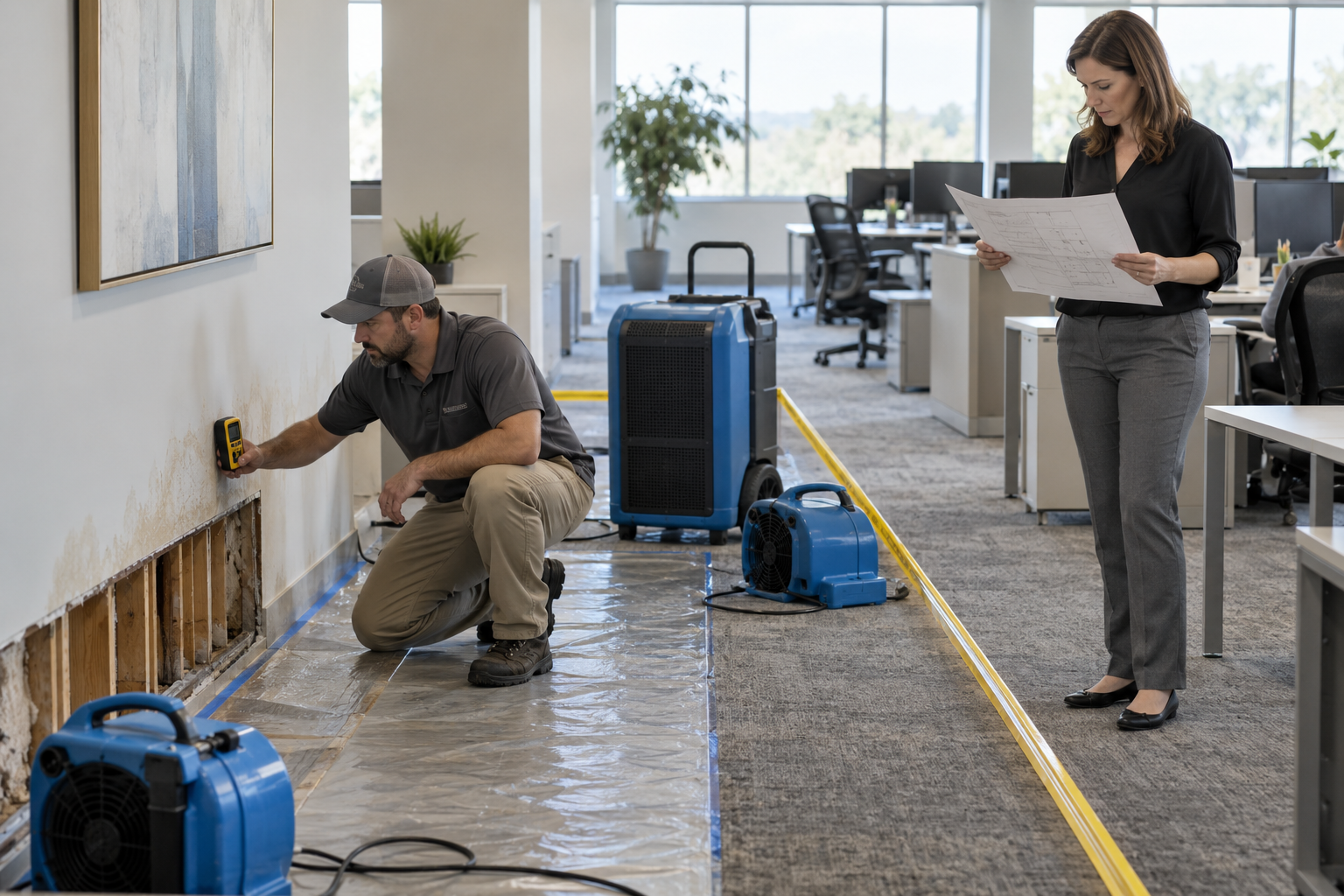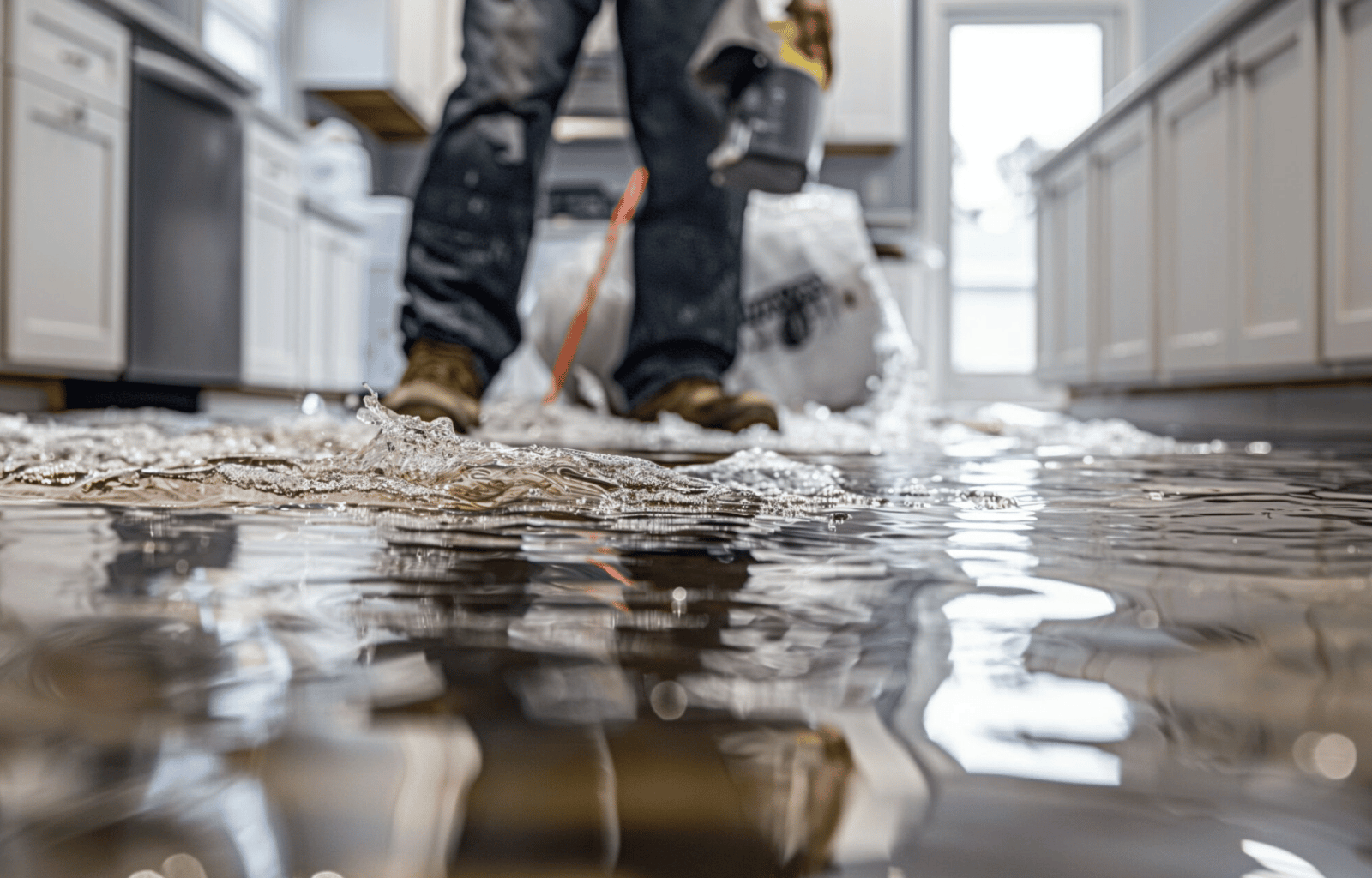
When Water Damage Happens In Your Home, You May Need A Structural Engineer To Assess The Damage
Water damage is one of the most stressful situations a homeowner can face. Whether it comes from a burst pipe, a leaking roof, groundwater intrusion, or a major flood, the impact can escalate quickly. Walls start to discolor, floors begin to buckle, drywall crumbles, and mold grows in hidden pockets. What many homeowners do not realize is that water damage can also affect the structural integrity of the home. When the structure of your home may be compromised, it becomes essential to bring in a structural engineer.
In this guide, you will learn why water damage can threaten the core stability of a building, when a structural engineer should be involved, what they check, how their reports help with insurance, and what steps you should take after discovering water damage. This is written to educate homeowners, restoration companies, and property managers who want a clear understanding of how structural engineering fits into the water damage restoration process.
Why Water Damage Can Become A Structural Problem
Water is one of the most destructive forces that can affect residential buildings. It weakens materials, accelerates decay, and introduces conditions that compromise load bearing elements. Even slow leaks can cause serious harm when they go undetected for weeks or months.
Here is how water can impact the structure of a home.
1. Wood Rot And Structural Weakening
Most homes rely on wood for framing, joists, subfloors, beams, and more. When wood is exposed to water over time, it softens, warps, and decays. Rot can form in areas behind walls, under floors, or within attics.
Rot changes the strength of framing members. A rotted sill plate, for example, loses its ability to transfer vertical loads from walls to the foundation. Rotted joists can sag, causing uneven floors. Over time, this compromises the stability of the entire home.
2. Foundation Saturation And Movement
Water can infiltrate the soil around a foundation. When this soil becomes oversaturated, the pressure on the foundation walls increases. Hydrostatic pressure can cause:
- Cracks in concrete walls
- Shifting or bowing
- Settlement
- Lateral movement
Left untreated, foundation damage can worsen to the point that interior floors slope, doors no longer close properly, or cracks spread throughout the home.
3. Corrosion Of Metal Components
Homes are built with metal connectors, fasteners, beams, nails, and reinforcements. Prolonged exposure to water leads to corrosion. Rust reduces the capacity of metal components to hold structural loads.
In some cases, homeowners do not notice corrosion until beams start sagging or hardware begins to fail.
4. Loss Of Bearing Capacity In Soaked Materials
Waterlogged drywall loses strength and collapses. Insulation becomes heavy and loses its structural support capabilities. Subfloors swell, warp, or separate from joists. In extreme cases, ceilings fall due to trapped moisture in attic spaces.
All of these issues can point to deeper structural problems that require professional evaluation.
5. Mold And Long-term Damage
While mold itself is not a structural issue, extensive mold growth can be a red flag that moisture has been persistent for a long time. Long-term leaks often cause hidden structural decay that homeowners cannot see without opening walls.
When You Might Need A Structural Engineer After Water Damage
Not every case of water damage requires a structural engineer. Small leaks that are repaired quickly may not affect structural components. However, there are clear indicators that you need a licensed engineer to assess the safety of your home.
Below are the most common scenarios where bringing in a structural engineer becomes essential.
1. When Load Bearing Walls Have Been Affected
If water damage is near a load bearing wall, the structural stability of that wall may be at risk. Load bearing walls transfer the weight of the house from the roof and upper floors down to the foundation. If these walls weaken, the entire structure is at risk.
Situations to watch for include:
- Water staining or rot at the base of load bearing walls
- Cracks forming above doors or windows
- Noticeable sagging in ceilings
- Bowing or leaning walls
A structural engineer can determine whether the wall is still safe or needs reinforcement or reconstruction.
2. When Floors Sag, Bounce, Or Feel Soft
Floor issues after water exposure often indicate compromised joists or beams. A structural engineer will evaluate:
- Joist rot
- Beam weakening
- Connection failures
- Separation between subfloor and framing
Left unchecked, the floor could collapse or cause secondary problems throughout the home.
3. When Your Foundation Shows Signs Of Distress
Water around a foundation is always a concern. If you see cracking, bowing, or shifting, you need an engineer to evaluate whether the foundation is still stable.
Look for:
- Long cracks running horizontally or diagonally
- Water seepage through foundation walls
- Warped or misaligned basement walls
- Gaps where the foundation meets framing
These issues require immediate attention to prevent worsening damage.
4. After A Major Flood Or Storm Event
When a large amount of water enters a home at once, it can soak structural components quickly and severely. Even after the water is removed, the damage may not be visible until materials dry and reveal warping or displacement.
A structural engineer is recommended when:
- Water levels reached more than a few inches
- The home was flooded for several hours or days
- Walls or ceilings show signs of shifting
- Your home has crawl spaces or basements that filled with water
5. When Insurance Requests A Structural Engineer Report
Many insurance companies require a formal engineering report when structural damage is suspected. Engineers provide unbiased documentation that confirms what was damaged and how repairs should be conducted.
This protects the homeowner and ensures the repairs meet safety standards.
6. When You Are Unsure About The Extent Of Damage
Even if the issue seems minor, hidden damage can exist behind walls, under floors, or within the foundation. Water damage is often underestimated. If you are unsure, an engineer can provide peace of mind.
What A Structural Engineer Looks For During An Inspection
A structural engineer’s job is to evaluate the safety and load bearing capacity of the home. During a water damage assessment, the engineer will examine all areas of possible structural compromise.
Here is what they typically check.
1. Condition Of Structural Wood
Engineers use visual inspection, moisture meters, and sometimes small probes to assess:
- Rot
- Warping
- Softening
- Discoloration
- Loss of density
They identify whether framing members are still structurally sound or need replacement.
2. Foundation Movement Or Cracking
The engineer checks for:
- Horizontal cracks
- Vertical cracks
- Step cracks in block foundations
- Bowing
- Settlement
- Soil saturation levels
They determine how the foundation reacted to water and whether it remains safe.
3. Roof Structure And Attic Spaces
Leaks in roofs can cause hidden damage. The engineer evaluates:
- Rafters
- Trusses
- Decking
- Fasteners
- Roof-wall connections
Signs of sagging or weakened trusses are taken seriously.
4. Floor Systems
Floor sheathing and joists are inspected for:
- Rot
- Buckling
- Separation
- Deflection
- Safety hazards
Engineers often look underneath floors in crawl spaces or basements.
5. Wall Systems
Interior and exterior walls are checked for:
- Bowing
- Shear damage
- Rot behind drywall
- Structural separation
- Load path concerns
Even slight wall movement can indicate significant internal damage.
6. Moisture Levels And Mold Concerns
Engineers assess moisture retention in materials. High moisture readings indicate long-term exposure, which often means deeper structural problems.
They may recommend mold remediation or removal of affected materials.
7. Safety Hazards And Collapse Risks
The top priority is determining if the home is still safe to occupy. If there is an immediate danger, the engineer will document it and suggest emergency stabilization.
Why Hiring A Structural Engineer Is Critical After Water Damage
Homeowners often ask why they need a structural engineer when they already plan to hire a restoration company or contractor. The answer is simple: restoration companies fix surface issues, but structural engineers ensure the home is safe.
Here are the main reasons to involve a structural engineer.
1. Engineers Provide Certified, Unbiased Evaluations
A structural engineer is a licensed professional who follows strict safety standards. Their assessment is objective, detailed, and highly reliable. Insurance companies trust engineers because they offer independent opinions that are not tied to repair costs.
2. They Identify Hidden Damage That Contractors May Miss
Contractors and restoration companies can identify visible issues, but they are not trained to evaluate load paths, structural weakening, or foundation movement. Engineers catch early signs of structural deterioration that others overlook.
3. Engineering Reports Strengthen Insurance Claims
An engineer’s report can:
- Confirm the cause of damage
- Document all structural issues
- Support the need for specific repairs
- Provide cost justification
- Prevent claim denials
Many homeowners recover more from insurance when they involve an engineer early.
4. Engineers Design The Correct Structural Repairs
If framing, beams, floors, or foundations need repair, the engineer will design the structural plan. This ensures:
- Contractors make the correct repairs
- The home continues to meet building code
- The structural integrity is restored
- Future issues are prevented
5. They Prevent Long-term Safety Risks
Water damage that is not properly assessed and repaired can lead to future:
- Sagging roofs
- Collapsing floors
- Foundation failure
- Structural separation
- Mold proliferation
Bringing in a structural engineer protects your investment and your safety.
How Much Does A Structural Engineer Cost After Water Damage
Costs vary depending on location, the size of the home, and the severity of damage. In most areas, a structural engineering water damage assessment ranges from:
- 350 to 800 for a basic inspection
- 800 to 1500 for a detailed report
- 1500 and up for complex damage or engineering plans
Given the long-term consequences of structural problems, this is a worthwhile investment. Most homeowners save thousands by catching early damage or by using the report for insurance.
How To Work With Insurance After Water Damage Structural Concerns
Insurance companies often require documentation to verify that structural damage occurred. Here is how to make the process smoother.
1. Document Everything Before Cleanup
Take photos and videos of:
- Water levels
- Damaged materials
- Cracks
- Staining
- Structural concerns
This becomes essential for your claim.
2. Contact Your Insurance Provider Immediately
Notify them as soon as possible. They may advise you to have a structural engineer evaluate the damage.
3. Obtain A Formal Structural Engineer Report
This provides:
- Professional validation
- Repair recommendations
- Evidence of structural damage
Insurance adjusters rely heavily on these reports.
4. Keep Receipts For All Temporary Repairs
If you pay for emergency services, pumps, or temporary stabilization, keep all receipts for reimbursement.
What Happens After The Structural Engineer Inspection
Once the engineer completes the assessment, they will provide a written report. This document outlines:
- What damage was found
- Whether the structure is safe
- Which materials are compromised
- What repairs are necessary
- How those repairs should be completed
You can then give this report to your restoration company, contractor, or insurance provider.
Repair Plans And Drawings
If necessary, the engineer will design repair plans for:
- Joist replacement
- Beam reinforcement
- Foundation repair
- Wall reconstruction
- Roof structure repair
These plans ensure contractors follow the correct method for restoring structural integrity.
Verification After Repairs
Some engineers offer follow-up inspections to confirm that repairs were completed correctly. This is often required for insurance or resale purposes.
Steps To Take Immediately After Discovering Water Damage
If you discover water damage, here is the recommended order of action.
1. Stop The Source Of Water
Shut off the main valve, fix leaks, or stop water entry as soon as possible.
2. Document All Damage
Record everything with photos and video. Insurance may require proof.
3. Contact Your Insurance Company
Start the claims process early.
4. Call A Water Damage Restoration Company
They will begin extraction, drying, and moisture control.
5. Contact A Structural Engineer If There Is Any Sign Of Structural Damage
This prevents unsafe repairs and ensures your home remains structurally sound.
6. Avoid DIY Structural Repairs
Handling structural components without proper guidance can make problems worse.
Common Signs That Structural Damage Has Already Occurred
Here are warning signs that water has already compromised your structure.
- Floors sag or feel spongy
- Cracks appear in walls or ceilings
- Doors and windows no longer open or close properly
- Exterior walls show staining or cracks
- Attic beams show warping
- Basement walls bow inward
- Ceilings sag under moisture
- Mold appears in structural wood
If you see any of these signs, a structural engineer should be involved immediately.
Conclusion
Water damage can be more than a surface level problem. When it reaches structural components, the safety and stability of your home can be at risk. Bringing in a structural engineer ensures that potential hidden damage is found early, documented properly, and repaired before it becomes a larger and more expensive issue.
Whether you are dealing with a burst pipe, a leaking roof, floodwater, or hidden moisture behind walls, a structural engineer provides the expert insight needed to protect your home, qualify repairs for insurance, and maintain long-term safety. If you suspect structural damage at any level, getting an engineer involved is one of the most important steps you can take.
Easy steps to create a color palette
Lorem ipsum dolor sit amet, consectetur adipiscing elit lobortis arcu enim urna adipiscing praesent velit viverra sit semper lorem eu cursus vel hendrerit elementum morbi curabitur etiam nibh justo, lorem aliquet donec sed sit mi dignissim at ante massa mattis.
- Neque sodales ut etiam sit amet nisl purus non tellus orci ac auctor
- Adipiscing elit ut aliquam purus sit amet viverra suspendisse potent
- Mauris commodo quis imperdiet massa tincidunt nunc pulvinar
- Excepteur sint occaecat cupidatat non proident sunt in culpa qui officia
What is a color palette?
Vitae congue eu consequat ac felis placerat vestibulum lectus mauris ultrices cursus sit amet dictum sit amet justo donec enim diam porttitor lacus luctus accumsan tortor posuere praesent tristique magna sit amet purus gravida quis blandit turpis.

Don’t overspend on growth marketing without good retention rates
At risus viverra adipiscing at in tellus integer feugiat nisl pretium fusce id velit ut tortor sagittis orci a scelerisque purus semper eget at lectus urna duis convallis porta nibh venenatis cras sed felis eget neque laoreet suspendisse interdum consectetur libero id faucibus nisl donec pretium vulputate sapien nec sagittis aliquam nunc lobortis mattis aliquam faucibus purus in.
- Neque sodales ut etiam sit amet nisl purus non tellus orci ac auctor
- Adipiscing elit ut aliquam purus sit amet viverra suspendisse potenti
- Mauris commodo quis imperdiet massa tincidunt nunc pulvinar
- Adipiscing elit ut aliquam purus sit amet viverra suspendisse potenti
What’s the ideal customer retention rate?
Nisi quis eleifend quam adipiscing vitae aliquet bibendum enim facilisis gravida neque euismod in pellentesque massa placerat volutpat lacus laoreet non curabitur gravida odio aenean sed adipiscing diam donec adipiscing tristique risus amet est placerat in egestas erat.
“Lorem ipsum dolor sit amet consectetur adipiscing elit, sed do eiusmod tempor incididunt ut labore et dolore magna aliqua enim ad minim veniam.”
Next steps to increase your customer retention
Eget lorem dolor sed viverra ipsum nunc aliquet bibendum felis donec et odio pellentesque diam volutpat commodo sed egestas aliquam sem fringilla ut morbi tincidunt augue interdum velit euismod eu tincidunt tortor aliquam nulla facilisi aenean sed adipiscing diam donec adipiscing ut lectus arcu bibendum at varius vel pharetra nibh venenatis cras sed felis eget.